How SCR Controllers Are Used in HVAC Electric Heating Systems

Published: December 26, 2025

In modern HVAC systems, electric heating is no longer treated as a simple on/off function. As buildings demand better temperature stability, lower noise, and improved energy efficiency, the way electric heaters are controlled has evolved significantly. One of the key technologies enabling this evolution is the SCR (Silicon Controlled Rectifier) power controller.

This article explains where SCR controllers are used in HVAC systems, why they have replaced traditional staged heating methods, and how they regulate heating power in real-world applications.

Where SCR Controllers Are Used in HVAC Systems

SCR controllers are primarily applied in the electric heating sections of HVAC systems, especially in applications where precise and continuous control is required.

The most common use case is terminal reheat, typically found in:

VAV (Variable Air Volume) terminal units with electric reheat

Fan-powered terminal units

Air handling units (AHUs) with electric heating sections

Electric heaters in fan coil units for zone-level control

In these systems, airflow is handled separately by fans or dampers. The SCR controller’s role is not to control airflow, but to regulate how much heat is added to the air stream.

Air Handling Unit  (AHU)

Why HVAC Heating Evolved from Contactors to SCR Control

A. Traditional Two-Stage or Three-Stage Electric Heating

Early HVAC electric heaters relied on contactors to switch fixed heating stages on and off. While simple and robust, this method has several drawbacks:

Heating capacity is limited to discrete steps (for example, 33%, 66%, or 100%)

Temperature control is coarse, often causing overshoot

Mechanical contactors generate noise and wear over time

Excess energy is consumed when more heat is applied than actually required

As highlighted in many HVAC application studies, including those from terminal unit manufacturers, it takes more energy to correct a temperature overshoot than to maintain a stable condition.

B. Solid State Relays (SSR): Eliminating Mechanical Issues

The introduction of SSRs removed mechanical contacts, eliminating noise and improving reliability. However, SSR-based systems typically still operate in an on/off time-proportional mode, with switching cycles measured in seconds.

While this improves durability, it does not fully solve:

Temperature fluctuation

Inefficient heat matching at partial loads

Energy waste caused by coarse cycling

SSR control represents an improvement in hardware reliability, but not a complete solution for precise thermal control.

C. SCR Controllers: True Proportional Heating Control

SCR controllers address both mechanical and control limitations by enabling high-resolution power modulation.

Instead of switching heater stages on or off, SCR controllers regulate heater output by controlling the conduction time within each AC cycle. This allows:

Power modulation with time resolution down to tens of milliseconds

Smooth, continuous adjustment of average heating power

Stable discharge air temperature

Reduced temperature overshoot and energy loss

Importantly, SCR control does not reduce heater voltage in a traditional sense. The heater always operates at rated voltage, while the average power is controlled through precise time-proportional conduction.

How SCR Controllers Regulate Heating Power in HVAC Systems

SCR-based heating control is fully integrated into the HVAC control loop and operates automatically.

The control signal sent to the SCR controller is generated by a temperature controller, DDC, or BMS, based on:

Zone temperature setpoint

Actual zone temperature

Temperature deviation (ΔT)

Airflow conditions and safety interlocks

In practice, SCR controllers commonly accept:

0 – 5/10 VDC analog signals

0/4 – 20 mA analog signals

Digital communication such as RS485 (Modbus)

As heating demand increases, the controller raises the SCR output proportionally. When airflow is reduced or lost, heating output is automatically limited or disabled to ensure safe operation.

This closed-loop approach allows HVAC systems to maintain comfort conditions efficiently, quietly, and reliably—particularly in applications such as dehumidification reheat, where precise control is critical.

Conclusion

In HVAC systems, SCR controllers have become the preferred solution for electric heating applications that require accurate, responsive, and energy-efficient control. Compared with staged heating and basic on/off solid-state switching, SCR controllers provide true proportional heating by matching thermal output closely to real-time demand.

As HVAC designs continue to prioritize comfort, efficiency, and system integration, SCR-controlled electric heating plays an increasingly important role—especially in terminal reheat and precision air temperature control applications.

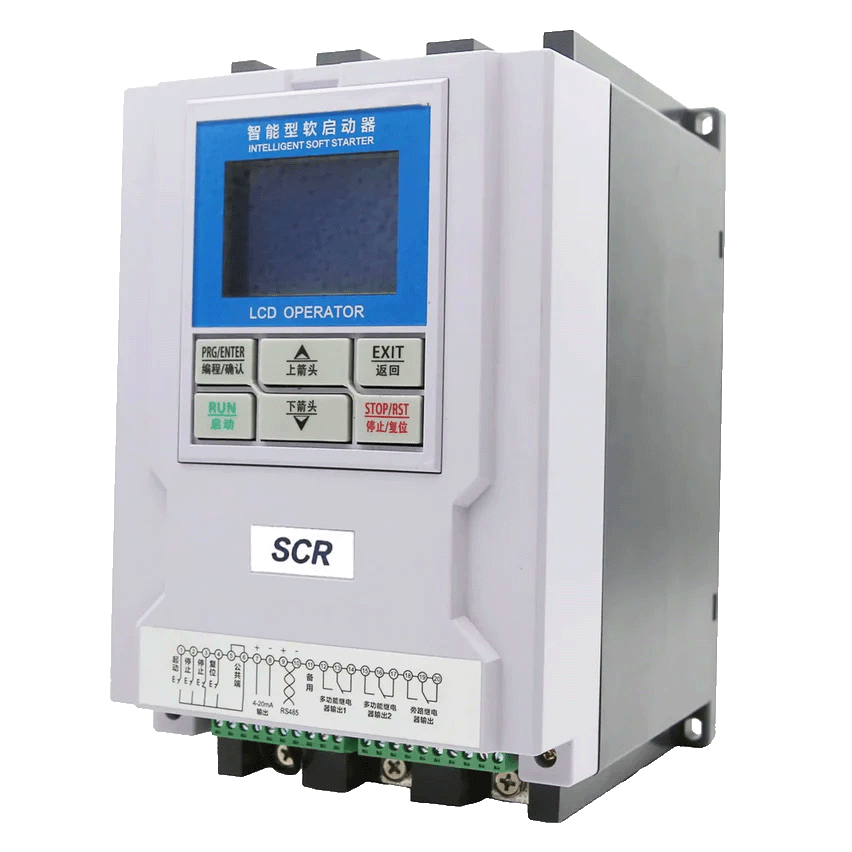
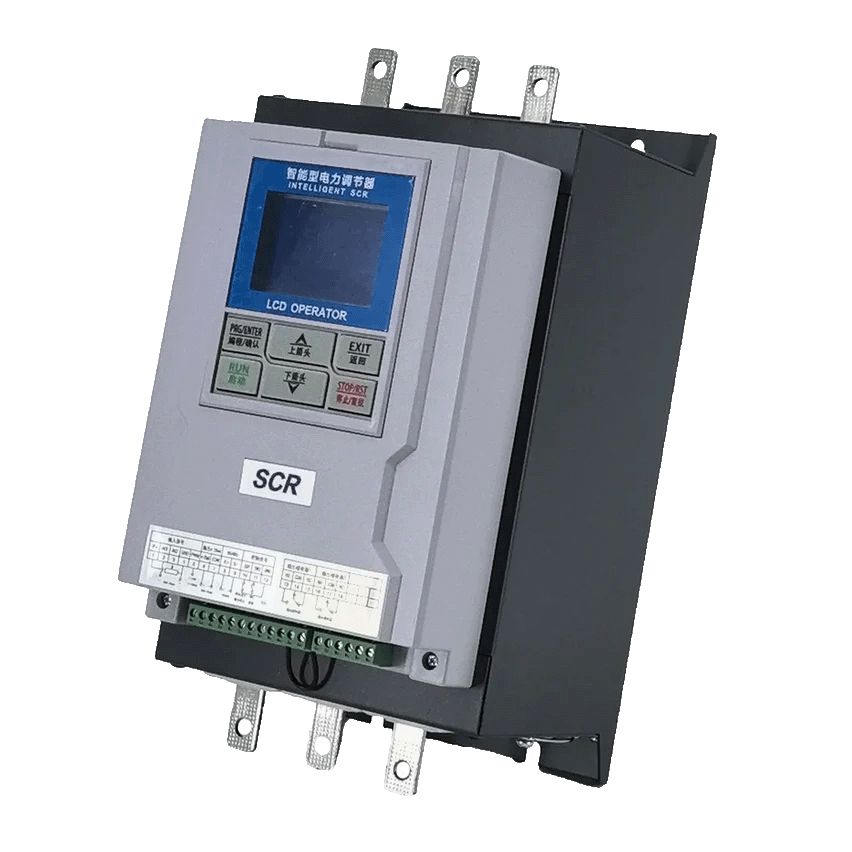
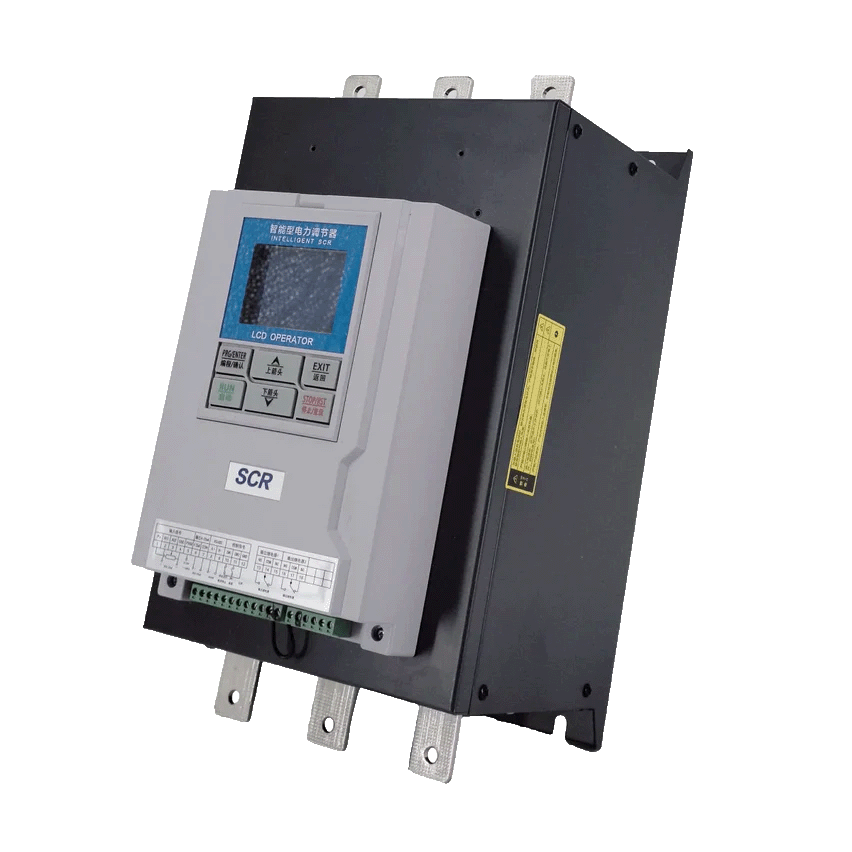
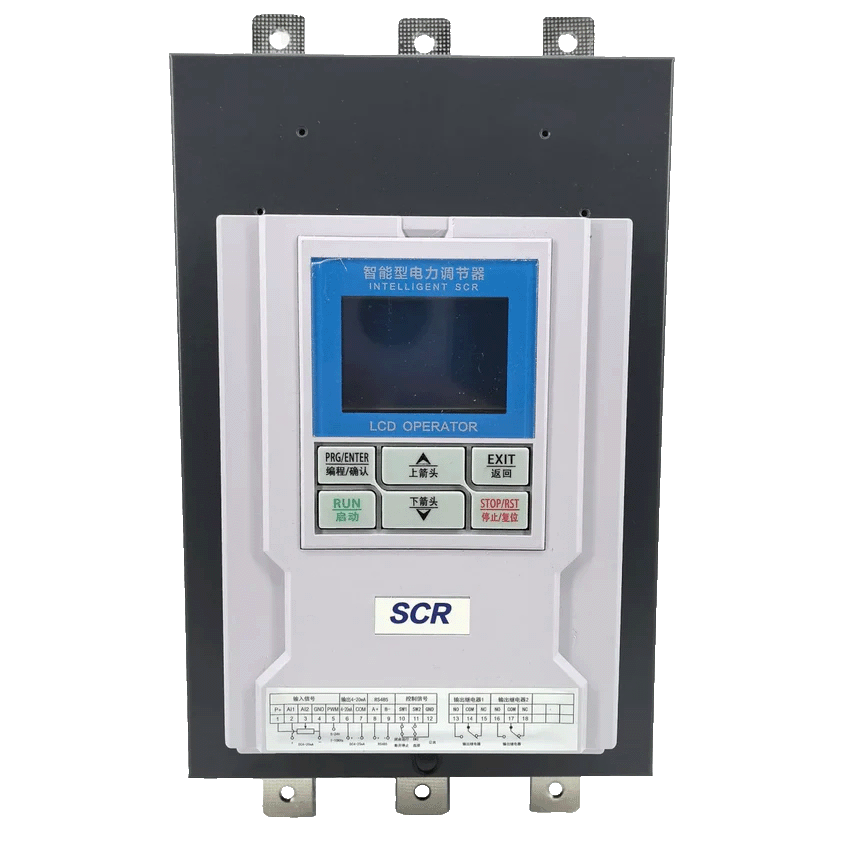
APR3H Series SCR Power Controller

Our controllers provide reliable, energy-efficient temperature management for your production processes.