How SCR Improves Temperature Control in Industrial Furnaces

Published: December 24, 2025

In industrial furnace systems, precise temperature control is one of the most critical factors affecting product quality, process stability, and equipment lifespan. As furnace designs evolve and process requirements become more demanding, traditional on/off power control methods are no longer sufficient. SCR power controllers have therefore become a core component in modern furnace power control systems, offering higher accuracy, reliability, and operational insight.

Why Is Temperature Control in a Furnace So Challenging?

At first glance, controlling furnace temperature may seem straightforward: supply power to the heating elements until the set temperature is reached. In reality, furnace temperature control is far more complex.

One key challenge lies in the behavior of the heating elements themselves. As temperature rises, the electrical resistance of most heating elements changes. At startup, when the element is cold, resistance is lower and current tends to surge. As the element heats up, resistance increases, altering the actual power delivered. At the same time, mains voltage fluctuations can further affect heating performance.

These combined factors mean that a fixed or simple switching approach often leads to temperature instability, uneven heating, or process drift. Over time, this not only impacts product consistency but also accelerates wear on furnace components.

What Does an SCR Power Controller Actually Do in a Furnace?

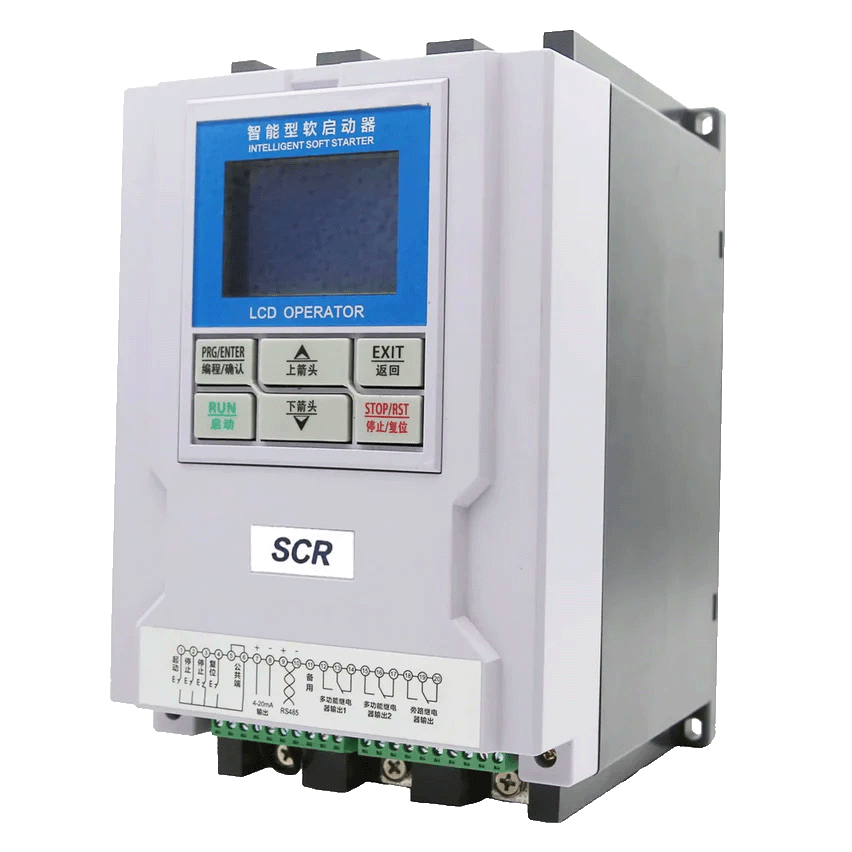
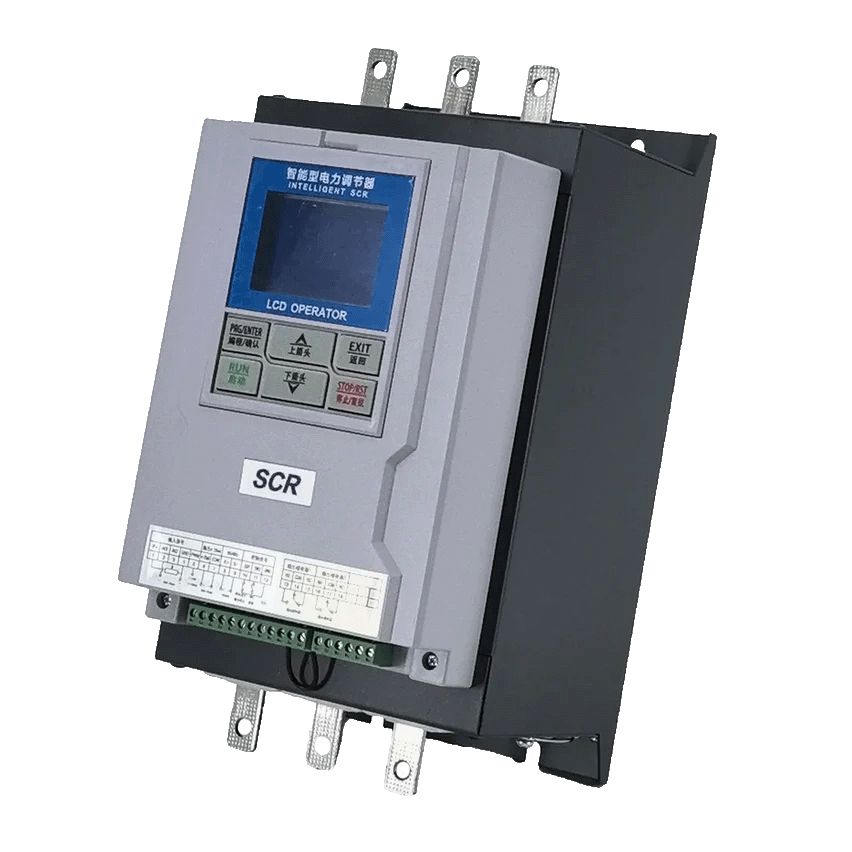
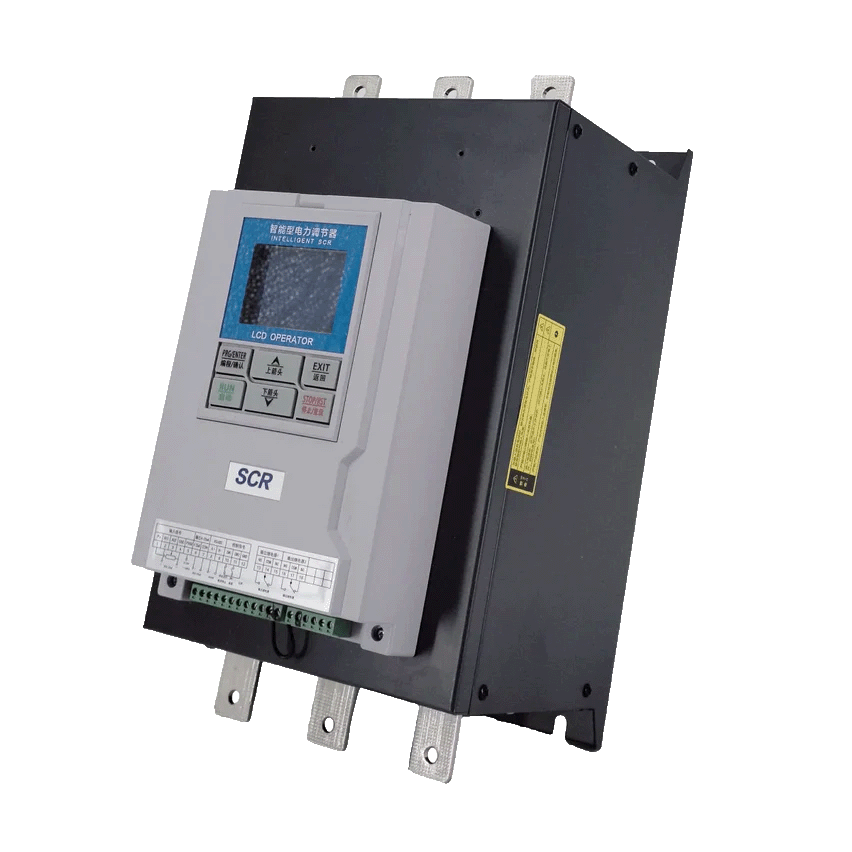
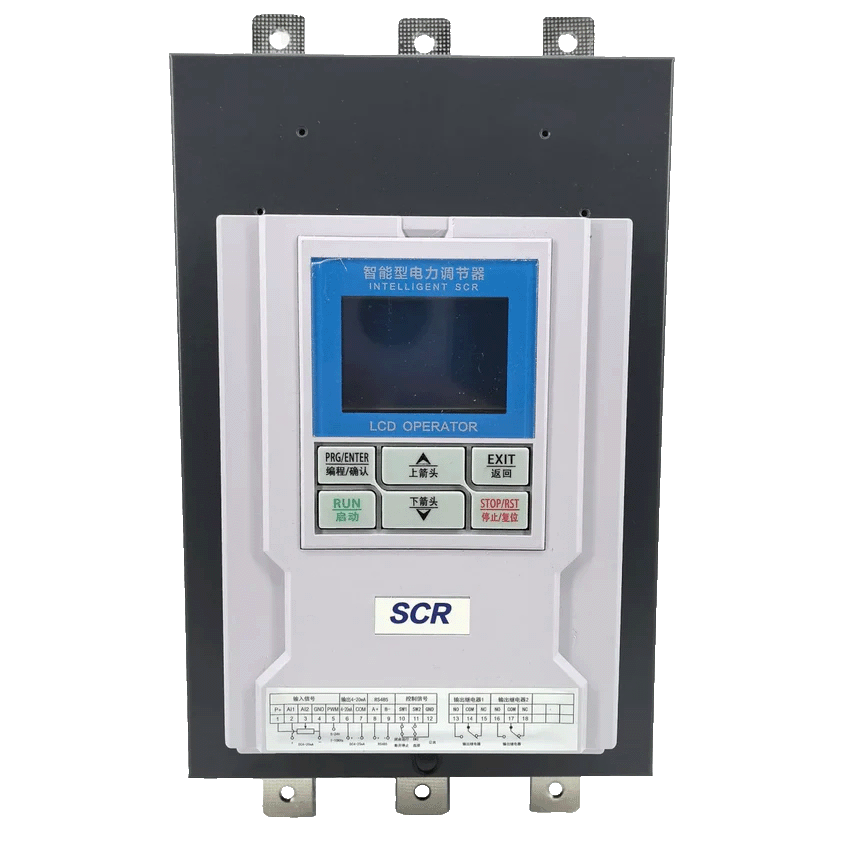
An SCR power controller sits between the power source and the furnace heating elements, regulating how electrical energy is delivered to the load. Rather than simply turning power fully on or off, the SCR precisely controls when and how much of each AC waveform is allowed to pass through to the heater.

A useful analogy is a light dimmer. Just as a dimmer adjusts brightness by controlling the power supplied to a lamp, an SCR power controller adjusts furnace heating power to maintain stable temperature conditions. This precise power control allows the furnace to respond smoothly to changes in load conditions, voltage variations, and process demands.

The result is more stable heating, reduced thermal stress on components, and improved overall control of the furnace process.

How Digital SCR Power Controllers Improve Furnace Performance

Modern digital SCR power controllers are no longer simple power-switching devices. Digital SCR controllers integrate microprocessor-based control, enabling a level of precision and flexibility that was not possible with older analog designs.

Digital SCR controllers continuously monitor electrical parameters such as voltage, current, and load resistance. Based on this real-time data, they automatically compensate for fluctuations in the power supply and changes in heating element characteristics. This ensures that the actual output power remains consistent, even as operating conditions change.

Another advantage is accuracy and repeatability. Once a digital SCR controller is configured, its parameters can be stored and reused, ensuring consistent furnace behavior across different production runs or even across multiple furnaces. This “set it and forget it” capability simplifies commissioning and reduces operator intervention.

In addition, digital SCR controllers offer better fault diagnostics, alarm functions, and communication options, making them easier to integrate into modern industrial control systems.

Using SCR Power Controllers for Predictive Maintenance in Furnaces

Beyond power control, SCR power controllers can play an important role in furnace maintenance strategies. By monitoring changes in electrical resistance over time, an SCR controller can provide valuable insight into the condition of heating elements.

As heating elements age or begin to fail, their resistance characteristics change. Digital SCR controllers can detect these trends early, allowing operators to identify partial load loss, abnormal resistance drift, or approaching end-of-life conditions. This enables predictive maintenance, where components are replaced based on actual condition rather than fixed schedules.

Compared to traditional preventative maintenance, predictive maintenance reduces unexpected downtime, avoids premature component replacement, and improves overall operational efficiency. This shift from schedule-based upkeep to condition-based action can translate into significant savings in maintenance costs and improved equipment reliability.

Phase Angle vs. Zero Cross Control: Which Is Right for a Furnace?

SCR power controllers typically operate in one of two firing modes: phase angle control or zero cross control. Selecting the appropriate mode is essential for optimal furnace performance.

Phase angle control adjusts power by trimming each half cycle of the AC waveform. This provides very smooth and continuous power output, making it ideal for applications that require fine control or where the SCR is driving a transformer. It is commonly used in furnaces with fast thermal response or where current limiting is required during startup.

Zero cross control, on the other hand, applies full cycles of power and then skips cycles to regulate the average output. This method is highly efficient, produces minimal harmonics, and is well suited for furnaces with large thermal mass and relatively stable load resistance. When resistance variation is small, zero cross control offers a cost-effective and energy-efficient solution.

Understanding the furnace load characteristics and process requirements is key to choosing the correct firing mode.

Conclusion

SCR power controllers have become an essential element in modern industrial furnace systems. By providing precise and intelligent power control, they improve temperature stability, enhance process repeatability, and reduce stress on furnace components.

With digital SCR technology, furnaces gain not only better control but also valuable diagnostic and predictive maintenance capabilities. When properly selected and applied, SCR power controllers help furnace operators achieve higher product quality, improved reliability, and lower total operating costs.

As industrial heating processes continue to demand greater precision and efficiency, the role of SCR power controllers in furnace applications will only continue to grow.

APR3H Series SCR Power Controller

Our controllers provide reliable, energy-efficient temperature management for your production processes.