Thyristor Power Controller: What Is It and How Does It Work?

Published: October 21, 2025

What Is a Thyristor Power Controller?

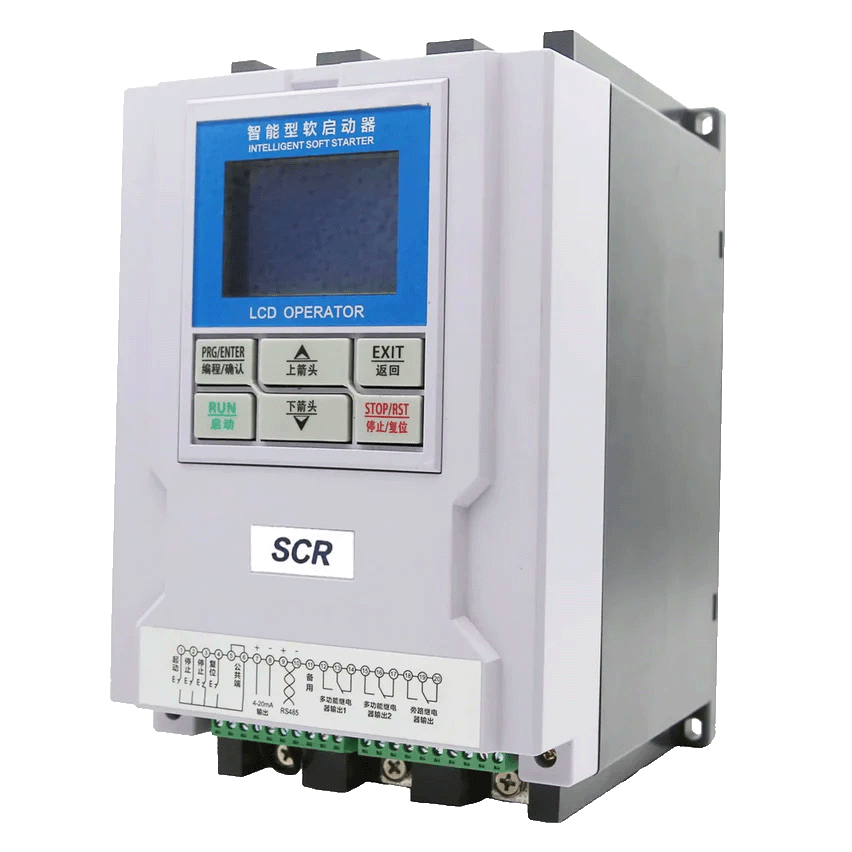
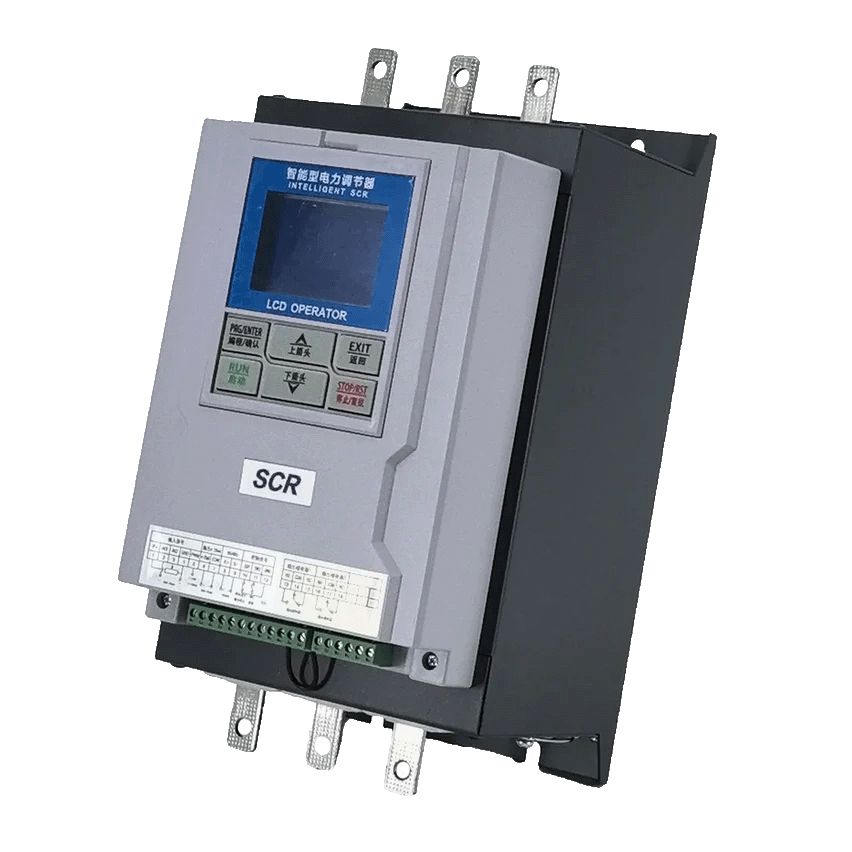
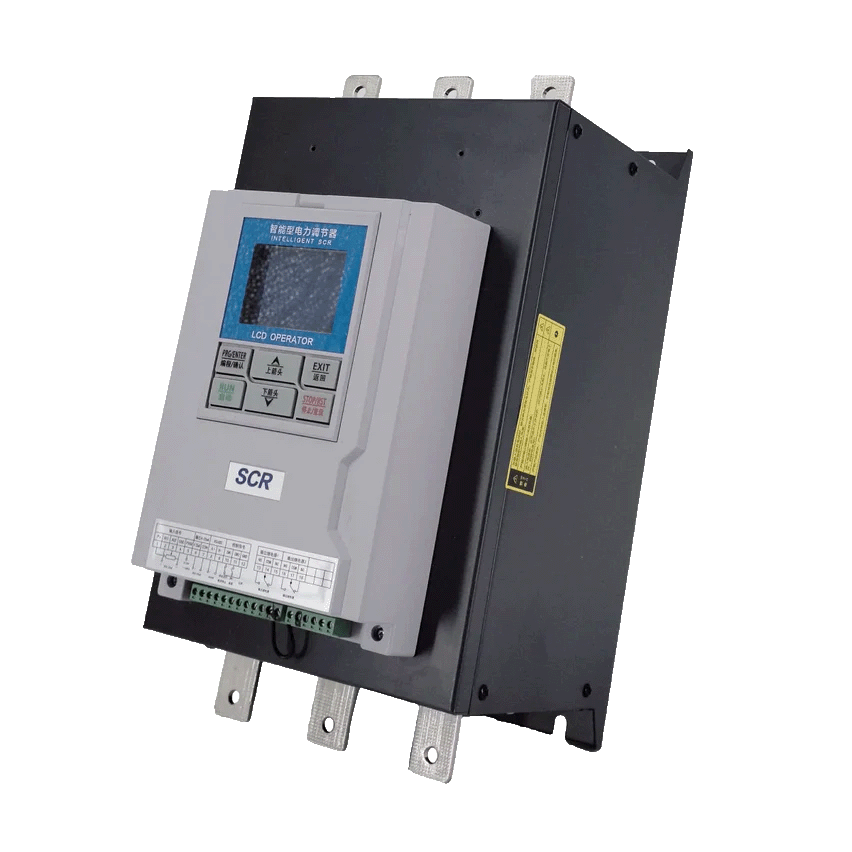
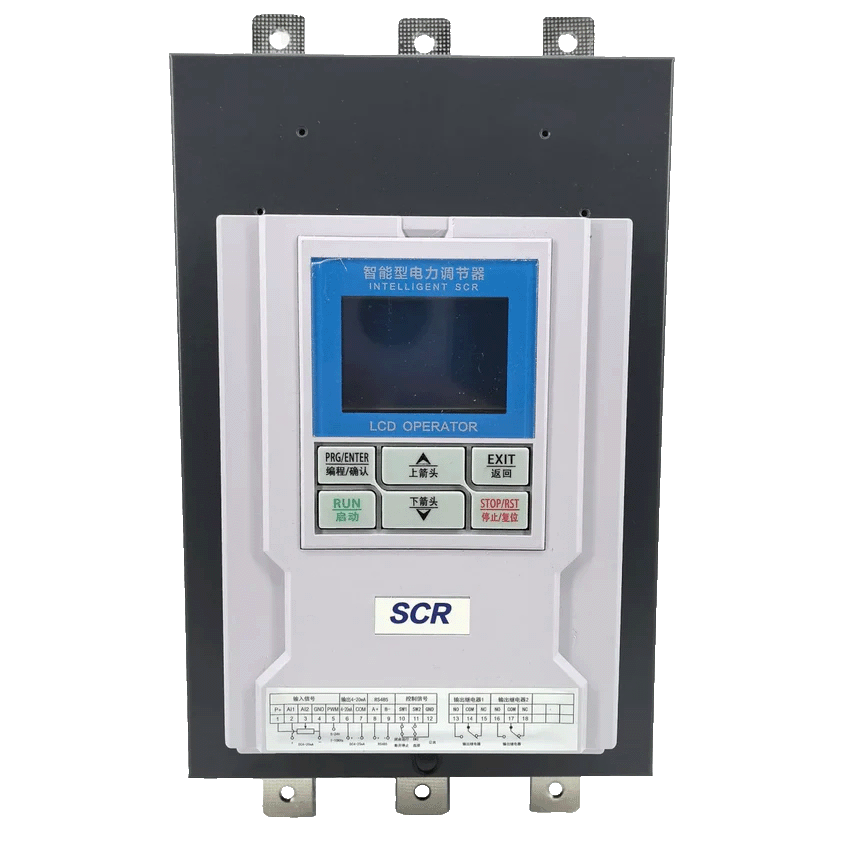
A thyristor power controller is used to precisely regulate power to electric heaters for stable temperature control and energy efficiency. In typical systems, it is installed between the power supply and the heater, receiving a 4–20mA or 0–5/10V signal from a temperature controller or PLC based on temperature feedback from the heater.

These thyristor controllers are widely used in industrial heating systems such as furnaces, extrusion machines, drying ovens, and chemical reactors, where resistive loads are dominant. They provide precise temperature regulation, fast response, and high energy efficiency, making them a reliable choice for modern temperature control systems.

Understanding the Thyristor (SCR)

The key component inside the controller is the thyristor, also known as an SCR (Silicon Controlled Rectifier). A thyristor is a semiconductor device that functions like an electronic switch or valve. Once triggered, it allows current to flow through until the AC voltage crosses zero. Because it can handle high voltages and currents, the thyristor is ideal for applications requiring reliable and efficient power control, such as electric heaters, lighting systems, and industrial ovens.

How Does a Thyristor Power Controller Work?

The operation of a thyristor power controller depends on how the thyristors are triggered to conduct. Our devices typically support three control modes:

1. Phase-Angle Firing

In this method, each AC cycle is only partially turned on. The thyristor begins conducting partway through the sine wave and stops at the end of the half-cycle. By adjusting the firing angle, the controller regulates how much of each AC waveform is delivered to the heater. This provides smooth, precise control and a fast thermal response—especially useful when heating elements require quick adjustments.

2. Alternate Zero-Crossing Control

In alternate zero-crossing control, the thyristor switches full sine waves on and off at zero-voltage points.

For example, if the input signal is 50%, the controller alternates between one full sine wave on and one sine wave off on each phase. This method generates less electrical noise compared to phase-angle control and is well-suited for purely resistive loads such as metal heaters and ceramic elements.

3. Continuous Zero-Crossing Control

In continuous zero-crossing control, the controller also switches entire sine waves at zero-voltage points but does so over a longer, fixed time period of 2 seconds.

For instance, if the input signal is 50%, the controller remains on for 1 second and off for 1 second. This provides a stable power delivery pattern and minimizes interference, making it ideal for large heating systems with high thermal inertia.

Compatibility and Safety

Modern Thyristor Power Controllers are designed for easy integration into automation systems. They are compatible with RS-485 communication protocols, allowing seamless connection with PLCs, temperature controllers, and supervisory control systems.

Additionally, built-in protection features such as overcurrent, overtemperature, and short-circuit protection ensure safe and reliable operation even in demanding industrial environments.

Summary

A Thyristor Power Controller provides accurate, efficient, and stable power regulation for resistive heating applications. With support for phase-angle, alternate zero-crossing, and continuous zero-crossing control modes, it offers the flexibility to meet different process requirements. Combined with strong compatibility and advanced safety features, it has become an essential component in modern industrial temperature control systems.

APR3H Series SCR Power Controller

Our controllers provide reliable, energy-efficient temperature management for your production processes.