Why SCR Power Control Is Essential for Industrial Heating Applications?

Published: December 19, 2025

In many industrial systems, heating may look simple at first. Power is applied, temperature rises, and the process continues. But in real industrial environments, heating control is often one of the most difficult parts of system design.

Problems such as temperature fluctuation, heater failure, power surges, and unstable operation usually do not appear immediately. They often show up after months of operation. This is exactly where SCR controllers prove their value.

Industrial heating is not just about reaching a temperature

Unlike household heating, industrial heating usually has several common characteristics: high power, long operating time, frequent load changes, and strict temperature requirements.

The first challenge is mismatch between thermal response and control speed. Mechanical contactors and traditional relays switch slowly. This causes the temperature to rise and fall repeatedly, leading to overshoot and unstable control.

The second issue is heater lifetime. Heating elements such as resistance wire, infrared tubes, and silicon carbide rods are sensitive to frequent cold starts and high inrush current. Repeated thermal shock makes them age faster and fail earlier.

Another important factor is power system stability. High-power heaters can draw large current at startup. This may affect other equipment on the same power line and can even trigger protection devices.

These problems cannot be solved by temperature controllers alone. The key lies in how electrical power is delivered to the heater.

What SCR controllers really control is power, not just switching

An SCR (Silicon Controlled Rectifier) is not simply an on/off device. It is a solid-state power controller that can adjust AC power smoothly and continuously.

Unlike traditional full-on or full-off control methods, SCR controllers regulate how much power is applied during each AC cycle. This brings several practical benefits:

Heating power changes smoothly, not suddenly

Temperature control becomes stable and consistent

Mechanical and thermal stress on heaters is greatly reduced

Systems can run continuously with less maintenance

Depending on the load type, SCR controllers can work in phase angle control, zero voltage switching, or fast on/off control, allowing them to match many different industrial heating applications.

From theory to practice: SCR controllers in real industries

When SCR features are applied to real production environments, their range of applications becomes very clear.

In HVAC and air handling systems, SCR controllers are widely used in duct heaters, reheat systems, and anti-condensation heating. Compared with contactors or standard SSRs, SCR controllers provide smooth temperature control without noticeable fluctuations, making them suitable for long-term operation in commercial and industrial buildings.

Title

In semiconductor and electronics manufacturing, temperature stability directly affects product quality. Applications such as wafer baking, diffusion furnaces, and PCB curing ovens require very precise power control. SCR controllers respond quickly to load changes and work well with PID temperature control systems.

Title

In lithium battery and new energy manufacturing, SCR usage has increased rapidly. From electrode drying and vacuum ovens to hot-press processes, equipment often operates at high power for long periods. SCR controllers offer high reliability and stable output, making them a better choice than mechanical switching solutions.

Title

In plastics, rubber, and composite industries, heating zones are often distributed across barrels, molds, and platens. SCR controllers allow accurate power adjustment and reduce repeated thermal expansion and contraction, improving overall equipment stability.

Title

SCR controllers are also widely used in industrial test equipment, power load banks, marine systems, and offshore applications. These systems share one common requirement: long-term reliable operation rather than short-term performance.

The real value of SCR controllers is often invisible

SCR controllers are rarely the most visible component in a system, but they strongly influence:

Heater service life

Temperature stability

Maintenance frequency

Heat buildup inside control panels

From this perspective, SCR controllers are no longer a high-end option. They are becoming a practical and standard solution in modern industrial heating systems.

As industrial equipment moves from “working” to “working reliably for years,” the importance of SCR power control becomes clear.

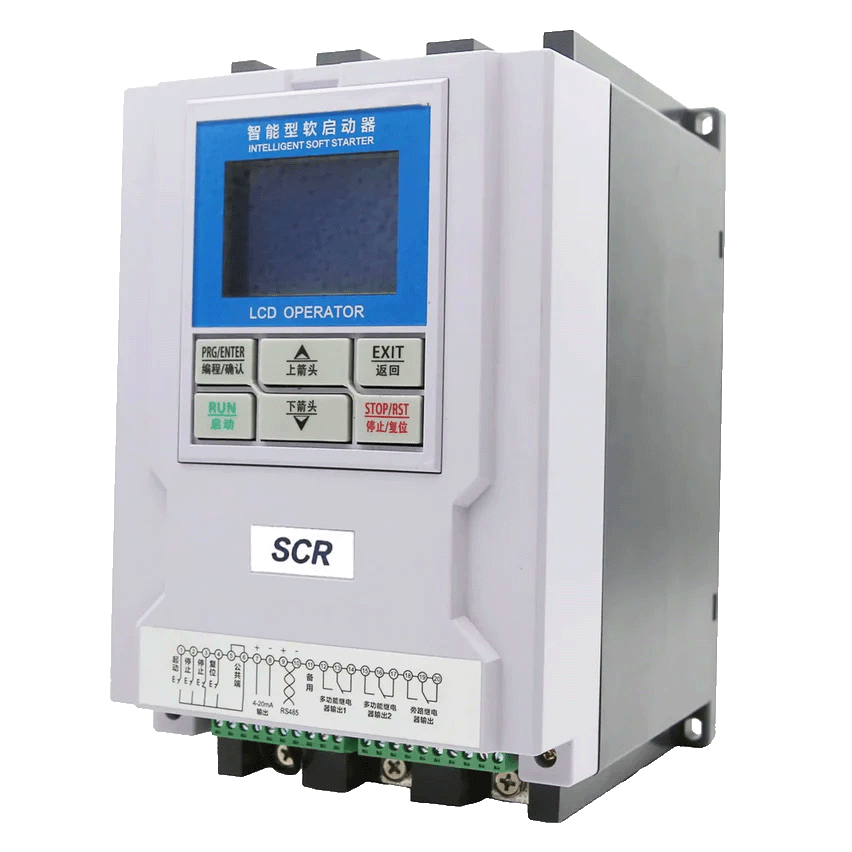
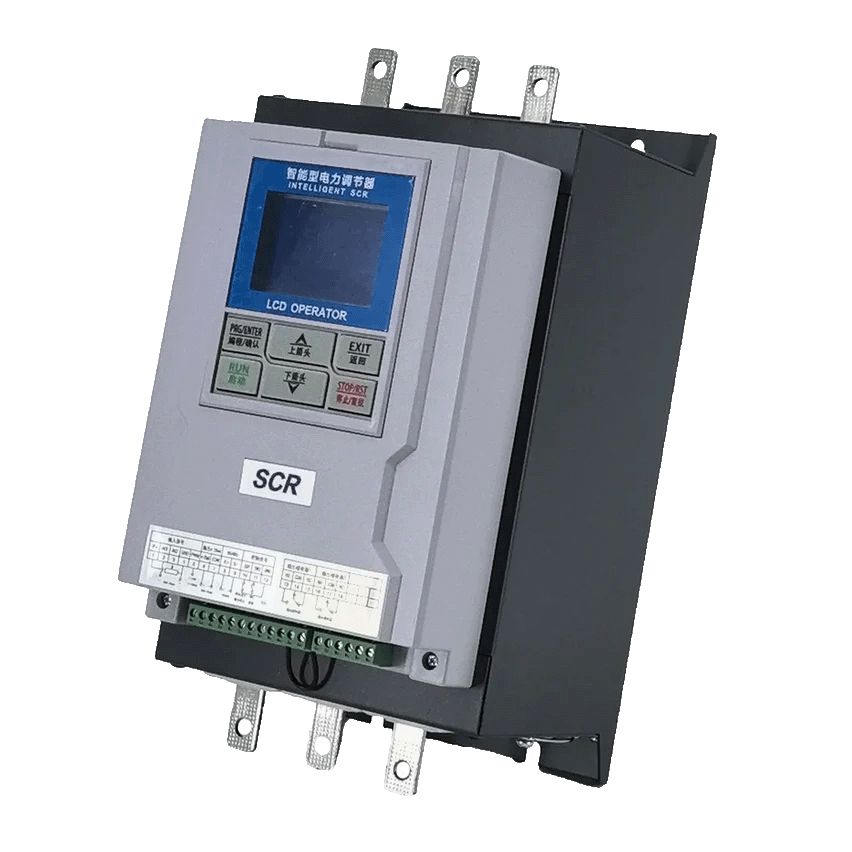
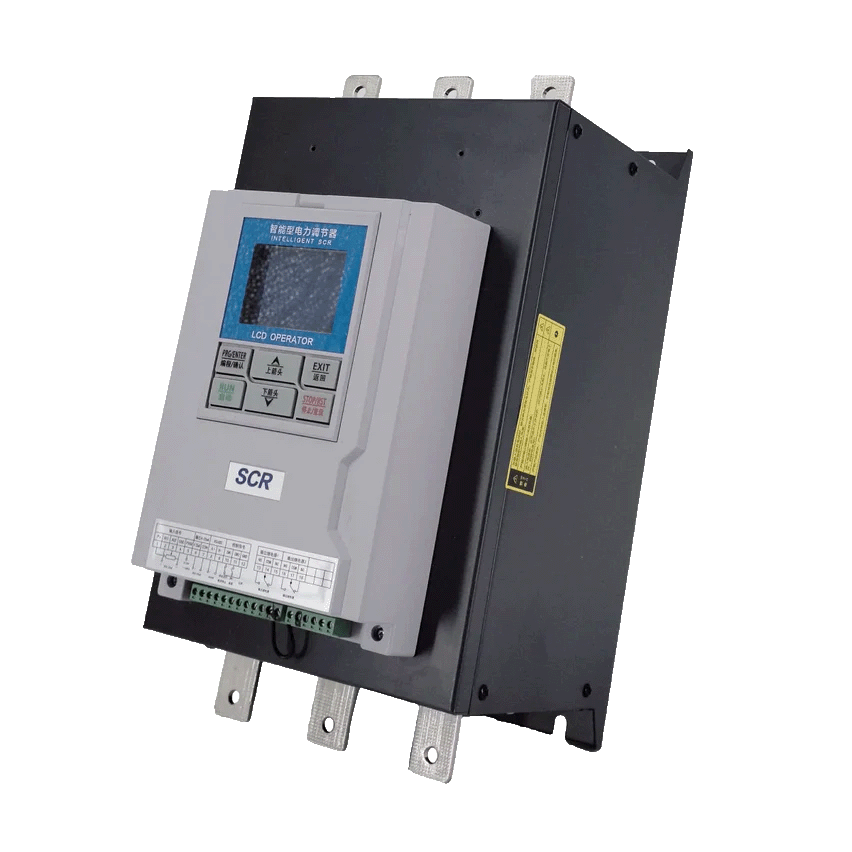
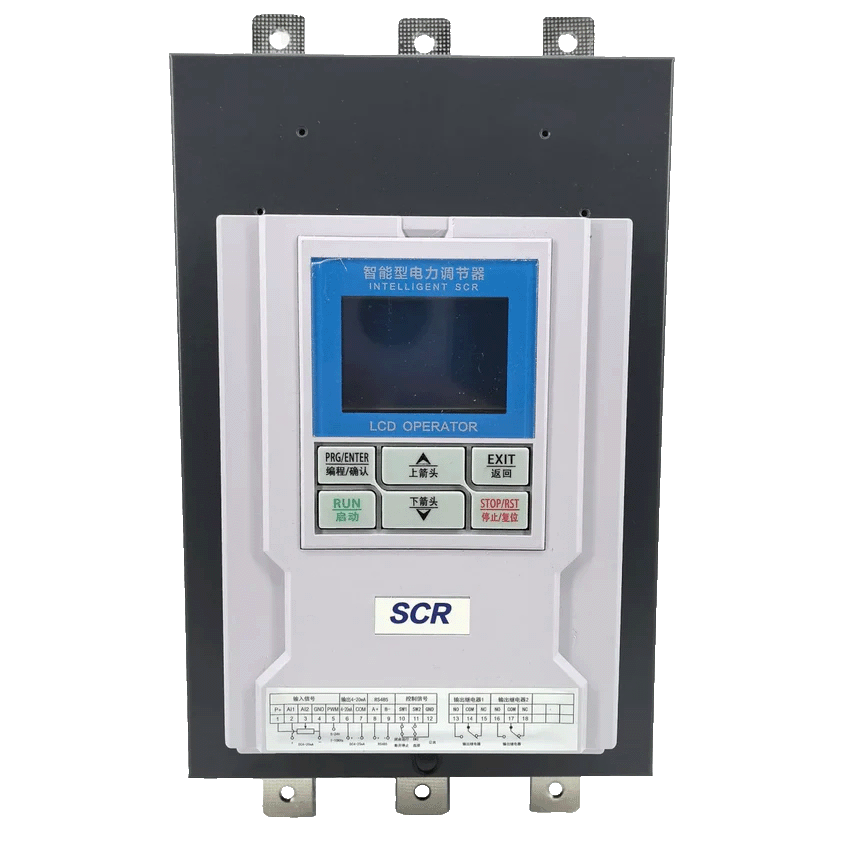
APR3H Series SCR Power Controller

Our controllers provide reliable, energy-efficient temperature management for your production processes.